Tanks have been pivotal in shaping modern warfare since their introduction in the early 20th century. Over the decades, these armoured vehicles have evolved into symbols of power, technological advancement, and strategic dominance on the battlefield. From their humble beginnings in the trenches of World War I to their sophisticated roles in today’s conflicts, tanks have left a lasting legacy. This article explores some of the most famous tanks in history, detailing their contributions to warfare and the innovations they brought to the battlefield.
The Evolution of the Tank: A Brief Overview
The concept of the tank emerged during World War I as a solution to the deadly stalemate of trench warfare. Armoured vehicles capable of crossing rough terrain and providing cover for advancing troops became essential to break through enemy lines. Since then, tanks have continually advanced in terms of armour, firepower, and mobility.
1. Mark I (United Kingdom, 1916)
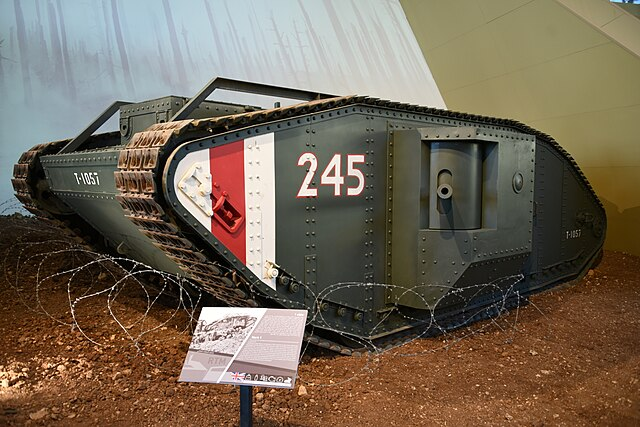
The Mark I holds the distinction of being the world’s first-ever tank, deployed by the British during World War I. Introduced in 1916 during the Battle of the Somme, the Mark I was designed to cross trenches and navigate difficult battlefield terrain. While its top speed was only about 3.7 mph, the Mark I represented a revolutionary step forward in mechanised warfare.
Key Features:
- Armament: Two 6-pounder naval guns and four .303 Lewis machine guns.
- Armour: Ranged from 6 to 12 mm.
- Crew: 8 soldiers.
Though it was slow and unreliable, the Mark I proved that tanks could play a crucial role in combat, laying the groundwork for future tank designs.
2. Panzer IV (Germany, 1937)
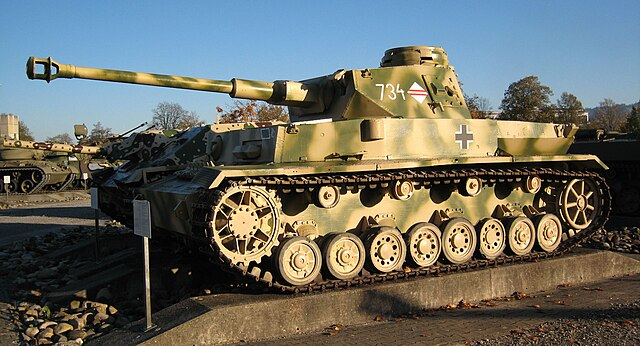
The Panzer IV was one of the most widely produced German tanks of World War II. Initially designed as a support tank, the Panzer IV became a mainstay of the German armoured forces, capable of taking on various battlefield roles. Its adaptability and long service life made it one of the war’s most important tanks.
Key Features:
- Armament: 75 mm KwK 40 L/48 gun.
- Armour: Up to 80 mm.
- Crew: 5 soldiers.
The Panzer IV’s versatility and ability to be upgraded throughout the war made it a formidable opponent on both the Eastern and Western fronts.
3. T-34 (Soviet Union, 1940)
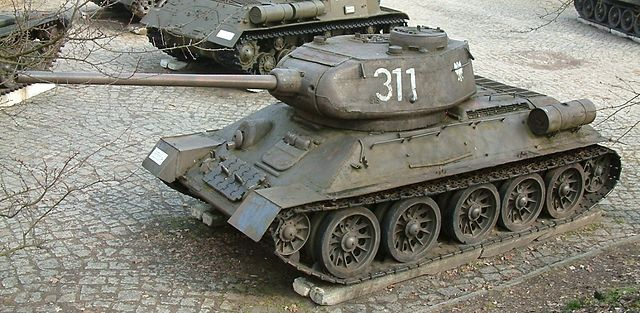
The Soviet T-34 is often regarded as one of the most influential and effective tanks of World War II. Its combination of speed, armour, and firepower allowed it to dominate German tanks on the Eastern Front. The T-34 was a testament to Soviet industrial ingenuity, being both cost-effective and easy to produce in large numbers.
Key Features:
- Armament: 76.2 mm F-34 tank gun (T-34/76), later upgraded to an 85 mm gun (T-34/85).
- Armour: Up to 60 mm.
- Crew: 4-5 soldiers.
The T-34’s sloped armour design was revolutionary, providing better deflection of enemy fire while maintaining lighter weight. This tank is widely credited with turning the tide in favour of the Soviets during World War II.
4. Tiger I (Germany, 1942)
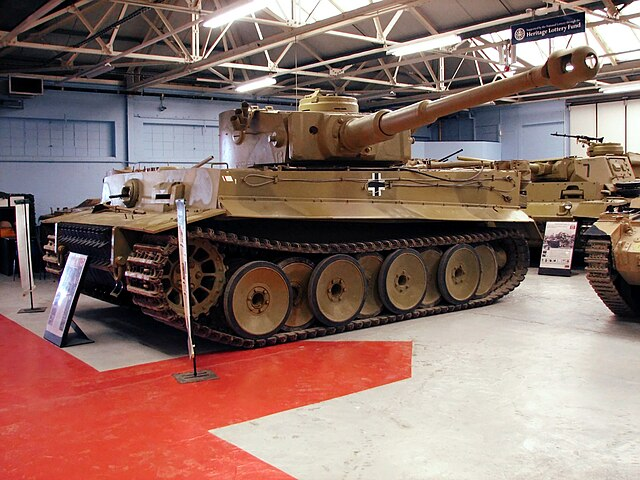
The Tiger I is perhaps the most famous tank of World War II, known for its powerful gun and thick armour. Though it was costly and difficult to produce, the Tiger I became a fearsome opponent on the battlefield. Its ability to engage enemy tanks from long distances and withstand heavy fire made it a legend of armoured warfare.
Key Features:
- Armament: 88 mm KwK 36 L/56 gun.
- Armour: Up to 120 mm.
- Crew: 5 soldiers.
Despite its heavy armour and formidable firepower, the Tiger I was plagued by mechanical problems and was difficult to manoeuvre on the battlefield. However, when it did work, it was a devastating weapon.
5. Sherman M4 (United States, 1942)
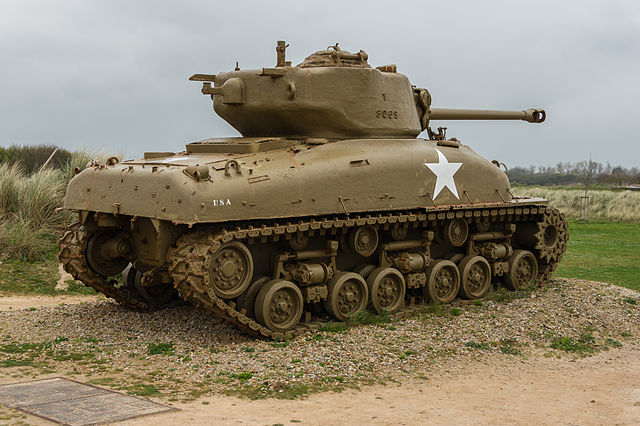
The M4 Sherman was the workhorse of the Allied forces during World War II. While not as heavily armoured or as powerful as German tanks like the Tiger I, the Sherman’s reliability, ease of production, and mobility made it an invaluable asset to the Allied war effort. Its mass production allowed the Allies to field large numbers of Shermans, overwhelming Axis forces with sheer numbers.
Key Features:
- Armament: 75 mm M3 L/40 gun, later upgraded to 76 mm.
- Armour: Up to 75 mm.
- Crew: 5 soldiers.
The Sherman’s versatility also allowed it to be adapted for various roles, including mine-clearing and amphibious operations. While outgunned by some German tanks, the Sherman played a critical role in the Allies’ eventual victory.
6. Centurion (United Kingdom, 1945)
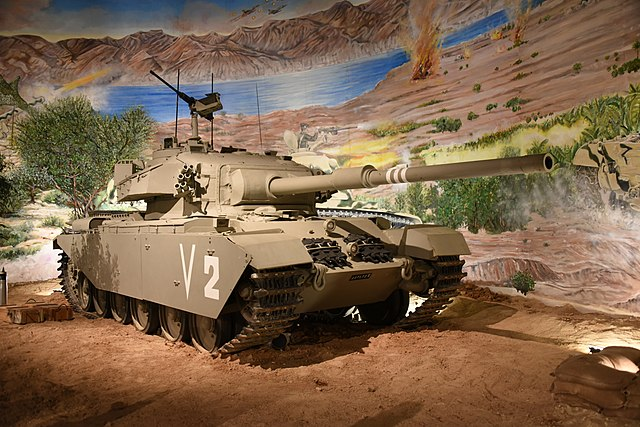
The British Centurion is often considered one of the best post-World War II tanks. First introduced towards the end of the war, it saw action in conflicts such as the Korean War, the Vietnam War, and the Six-Day War. Its long service life and many upgrades made the Centurion a cornerstone of British and Commonwealth’s armoured forces for decades.
Key Features:
- Armament: 105 mm L7 rifled gun.
- Armour: Up to 152 mm.
- Crew: 4 soldiers.
The Centurion’s durability and firepower made it a highly respected tank among military strategists, and its design influenced future tank development across the world.
7. M1 Abrams (United States, 1980)
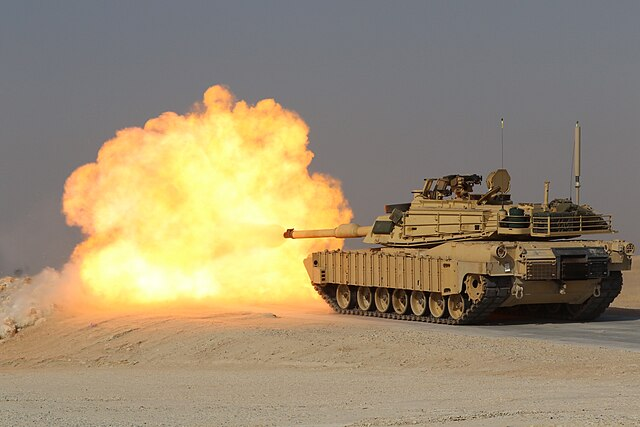
The M1 Abrams is one of the most advanced and well-known tanks in the modern era. First introduced in 1980, the Abrams has been continuously upgraded to remain one of the most formidable main battle tanks (MBTs) in the world. It has seen combat in major conflicts such as the Gulf War, Iraq War, and Afghanistan.
Key Features:
- Armament: 120 mm M256 smoothbore gun.
- Armour: Composite armour including depleted uranium.
- Crew: 4 soldiers.
The Abrams’ combination of advanced armour, powerful armament, and high mobility makes it a key asset in modern armoured warfare, capable of withstanding direct hits from most enemy tanks while delivering devastating firepower.
8. Challenger 2 (United Kingdom, 1998)
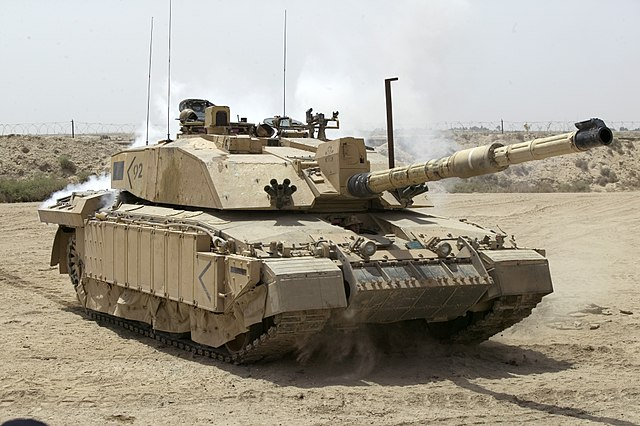
The Challenger 2 is the British Army’s current main battle tank, known for its exceptional armour and accuracy. It holds the record for the longest tank-on-tank kill in history, during the Iraq War. The Challenger 2’s combination of survivability and firepower makes it one of the best-protected tanks on the battlefield.
Key Features:
- Armament: 120 mm L30A1 rifled gun.
- Armour: Chobham armour.
- Crew: 4 soldiers.
The Challenger 2 has proven itself in combat, particularly in urban warfare environments, where its armour and firepower are essential assets to British forces.
The Legacy of Famous Tanks
Throughout history, tanks have played a crucial role in shaping the outcome of wars and conflicts around the world. From the early Mark I that changed World War I to the modern M1 Abrams and Challenger 2, tanks continue to be a symbol of military might and technological innovation. Each of these famous tanks represents not only a leap forward in engineering but also the evolving tactics of armoured warfare. As technology continues to advance, the role of tanks will undoubtedly adapt, but their place in military history remains unshakable.
You might be interested in exploring the evolution of armoured warfare further. Speaking of tanks, you could check out the Tank article for a comprehensive overview of their development and impact on modern conflicts. Additionally, the World War I page provides context on how these formidable machines transformed the battlefield during the Great War. For insights into specific tank models, the Tiger I and M4 Sherman articles offer detailed information on their design, operational history, and legacy. Each of these resources deepens the understanding of tanks and their significant roles throughout military history.


Leave a Reply